
Custom Timber Bifold Doors for a Matarangi Coastal Home
A technically complex door system designed to open the home to its surroundings
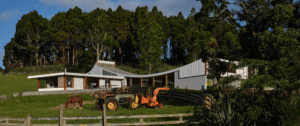
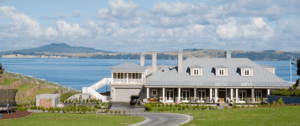
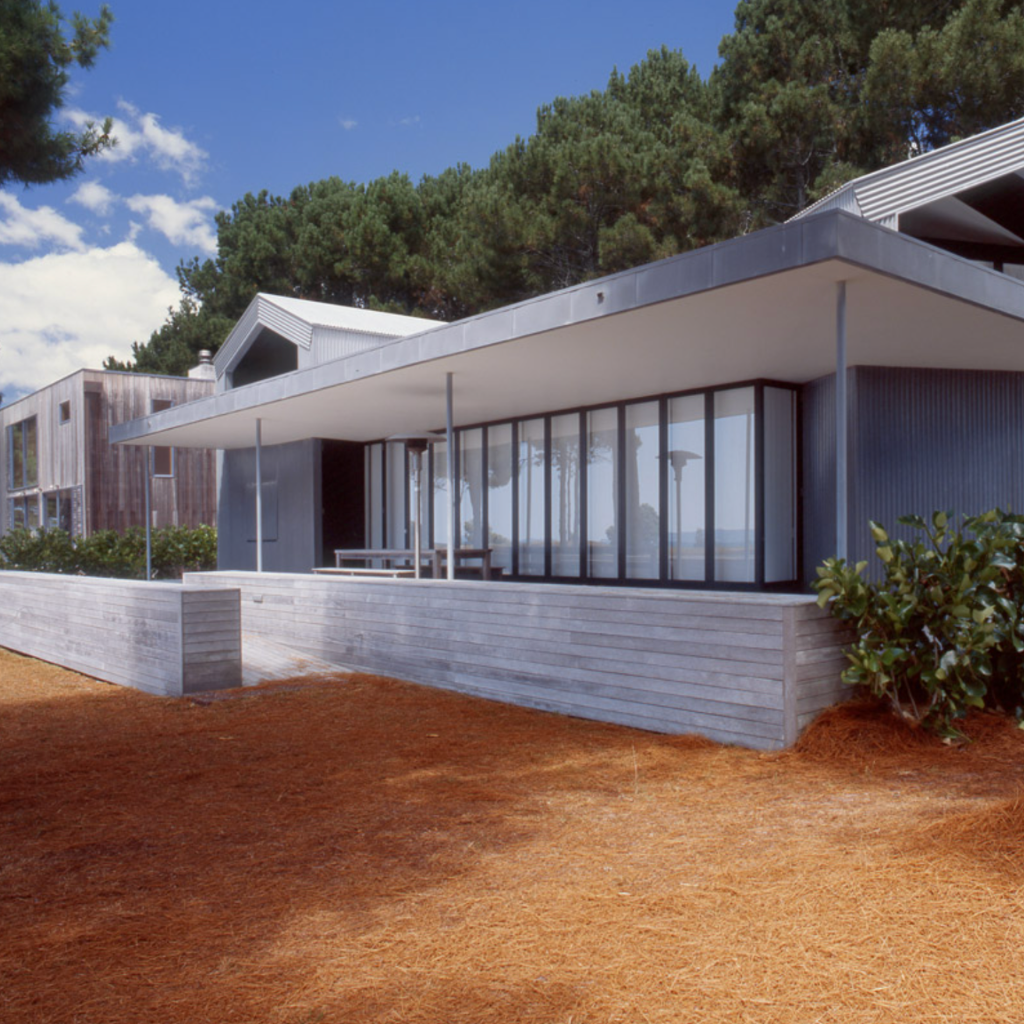
For this coastal residence in Matarangi, the vision for indoor-outdoor living went well beyond a conventional set of bifold doors.
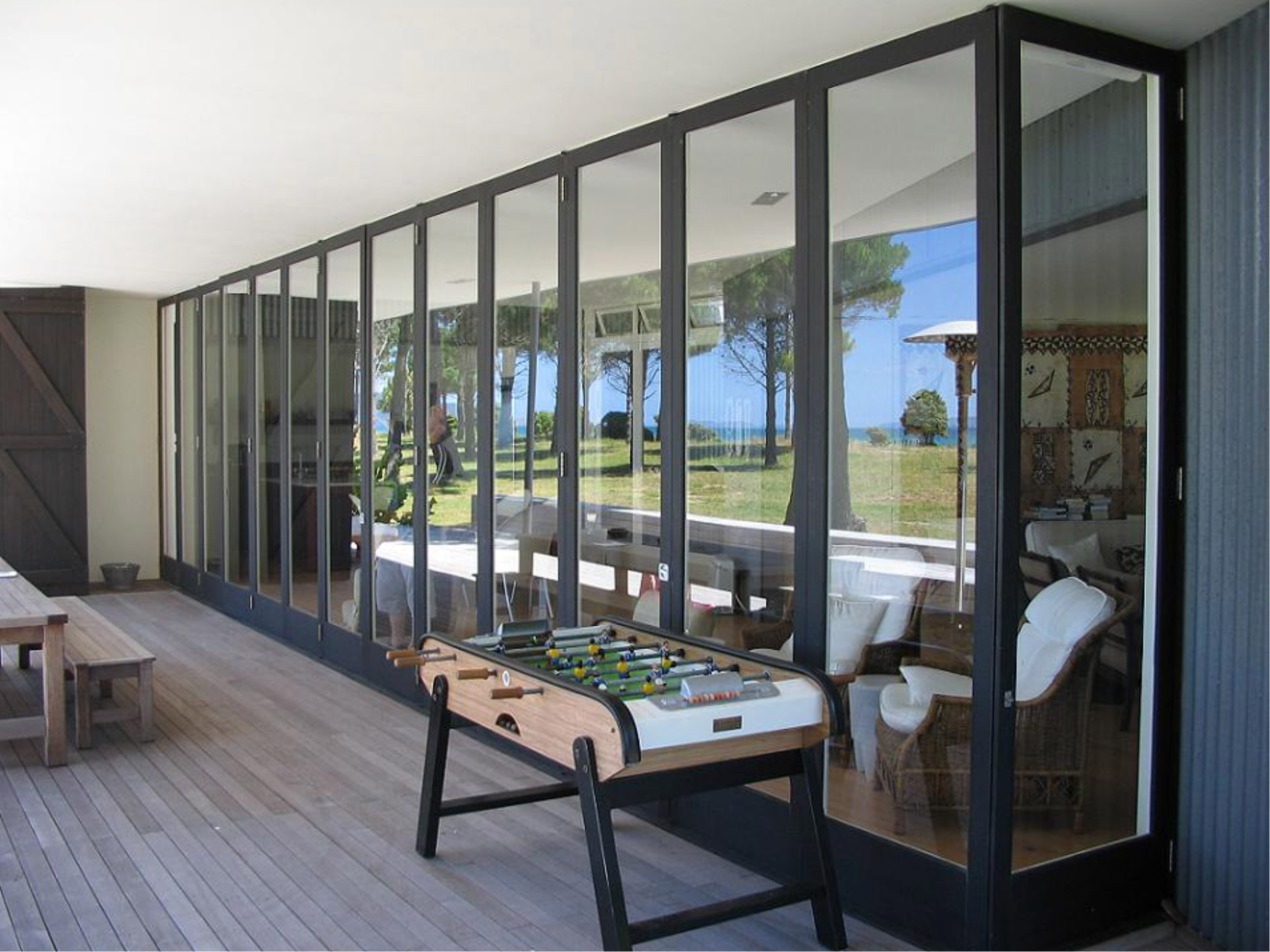
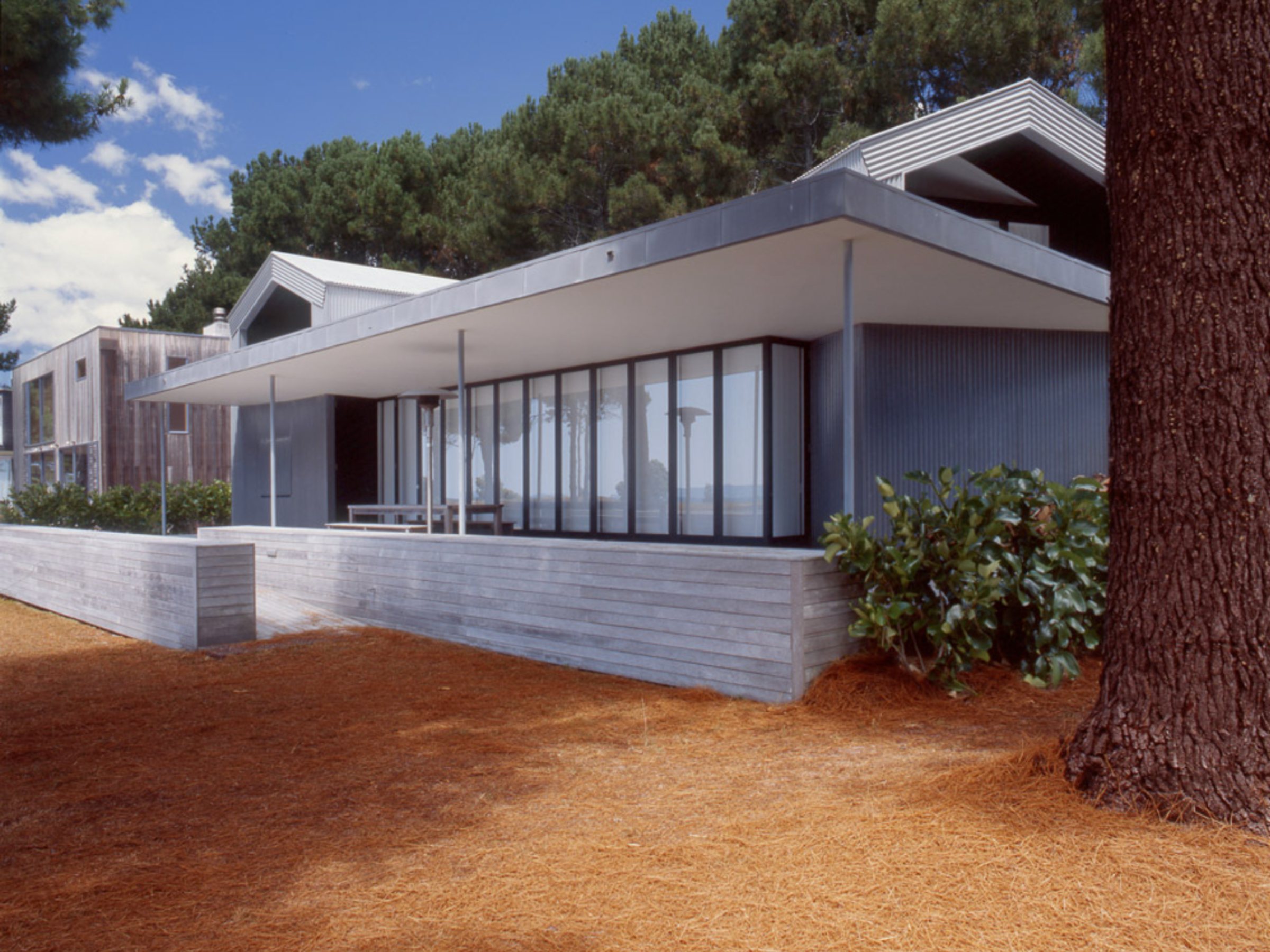
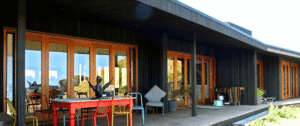
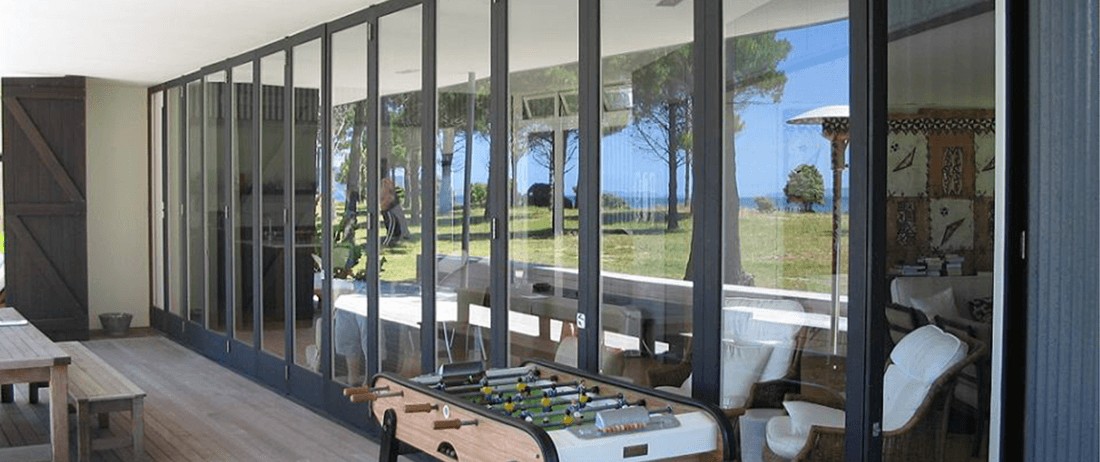
PK Joinery was asked to manufacture a substantial glazed timber bifold system made up of multiple full-height panels. When closed, the doors create an expansive glazed wall. When opened, the panels fold and stack away into a dedicated recess, allowing the interior to connect almost seamlessly with the outdoor living area.
It was an ambitious design that required considerable technical skill to translate into a functional piece of bespoke timber joinery.
Project highlights
Challenge
Creating a large multi-panel bifold system capable of stacking away when fully opened
Process
Bespoke manufacture requiring accuracy across numerous individual panels and moving components
Design
Full-height glazed timber doors designed to maximise indoor-outdoor connection
Outcome
A highly customised bifold system that allows a substantial section of the home to open to its coastal surroundings
Challenge
Going beyond a standard bifold door
Bifold doors are designed around movement. Every panel needs to work as part of a larger system, with the individual components aligning correctly as the doors open, close, fold and stack.
As the number and scale of panels increase, so does the complexity.
At Matarangi, the design called for a long run of full-height glazed doors that could effectively disappear from the opening when not required. Rather than simply folding to one side, the panels needed to stack neatly into a designated space.
Delivering that concept required a bespoke solution rather than an off-the-shelf door configuration.
Process
Turning an ambitious concept into working joinery
For PK Joinery, the challenge was translating the design intent into a timber door system that could perform as intended.
The multiple panels needed to work together accurately, both when forming the glazed wall and as they moved through the folding and stacking process. Careful manufacture was essential to maintaining consistency throughout such a substantial run of joinery.
It is the kind of project where experience in bespoke manufacturing becomes particularly important. Unusual architectural ideas don’t always arrive with a standard solution. They require an understanding of traditional joinery alongside the ability to work through the practical requirements of a unique design.
The Matarangi system is a strong example of PK Joinery’s willingness to take on technically challenging work and find a way to bring an unconventional idea to life.
Design
Creating a stronger connection with the outdoors
The finished bifold system has a significant impact on how the living space can be used.
When the doors are closed, the extensive glazing maintains views to the surrounding landscape while providing a defined separation between inside and out.
Opening the system changes the character of the space entirely. As the individual panels fold and stack away, the physical divide is substantially reduced and the living area opens directly to the exterior.
For a coastal home designed around its surroundings, the joinery becomes much more than a way to enter and exit the building. It helps determine how the architecture responds to the landscape.
Outcome
Bespoke joinery for ideas that don't fit the standard mould
The Matarangi residence demonstrates what custom timber bifold doors can achieve when they are designed around a particular home rather than constrained by standard configurations.
It also reflects an important part of PK Joinery’s capability.
Some projects are straightforward. Others involve unusual dimensions, movement or architectural ideas that require considerably more thought to manufacture successfully.
For PK Joinery, bespoke work means having the craftsmanship and technical experience to take on those challenges, working through the complexity to create timber joinery made specifically for the project.
Talk to us about your
next project